The ISA-iSUN Design Challenge
What is it?
The ISA-iSUN Design Challenge is a global design challenge focusing on Small Island Developing States (SIDS) where architecture and engineering institutes are invited to participate in designing a climate-resilient resort, bringing together architecture and solar technology, in select SIDS nations.
This Challenge is hosted by The International Solar Alliance (ISA), powered by ISA Multi Donor Trust Fund (MDTF) and the Global Energy Alliance for People and Planet (GEAPP), executed by GRIHA Council, with the support of The Energy and Resources Institute (TERI) and the Royal Institute of British Architects (RIBA).
SIDS are selected as the context for this design challenge because:
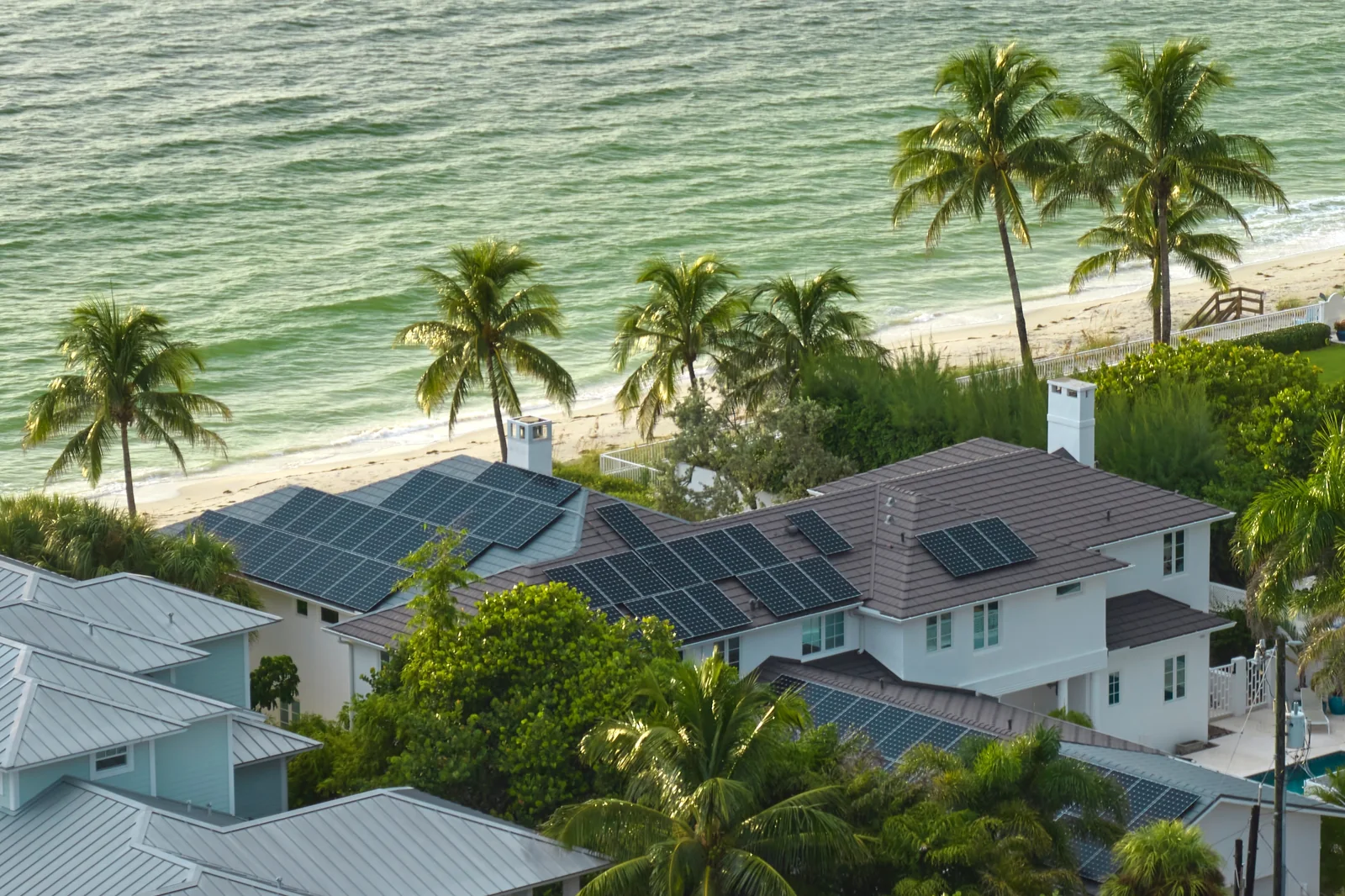
Solar-rich, fuel-scarce
SIDS rely heavily on imported fossil fuels for their energy needs, making them vulnerable to rising fuel prices and limiting energy independence. At the same time, these islands have abundant, year-round solar energy potential. This gap between dependence on imported fuels and abundant solar potential is the key opportunity this challenge seeks to address.

National commitments
Nations have set ambitious renewable-energy targets and emissions-reduction commitments under their respective Nationally Determined Contributions (NDCs). A replicable, solar-embedded resort model gives this national ambition a visible, exportable building-scale expression.
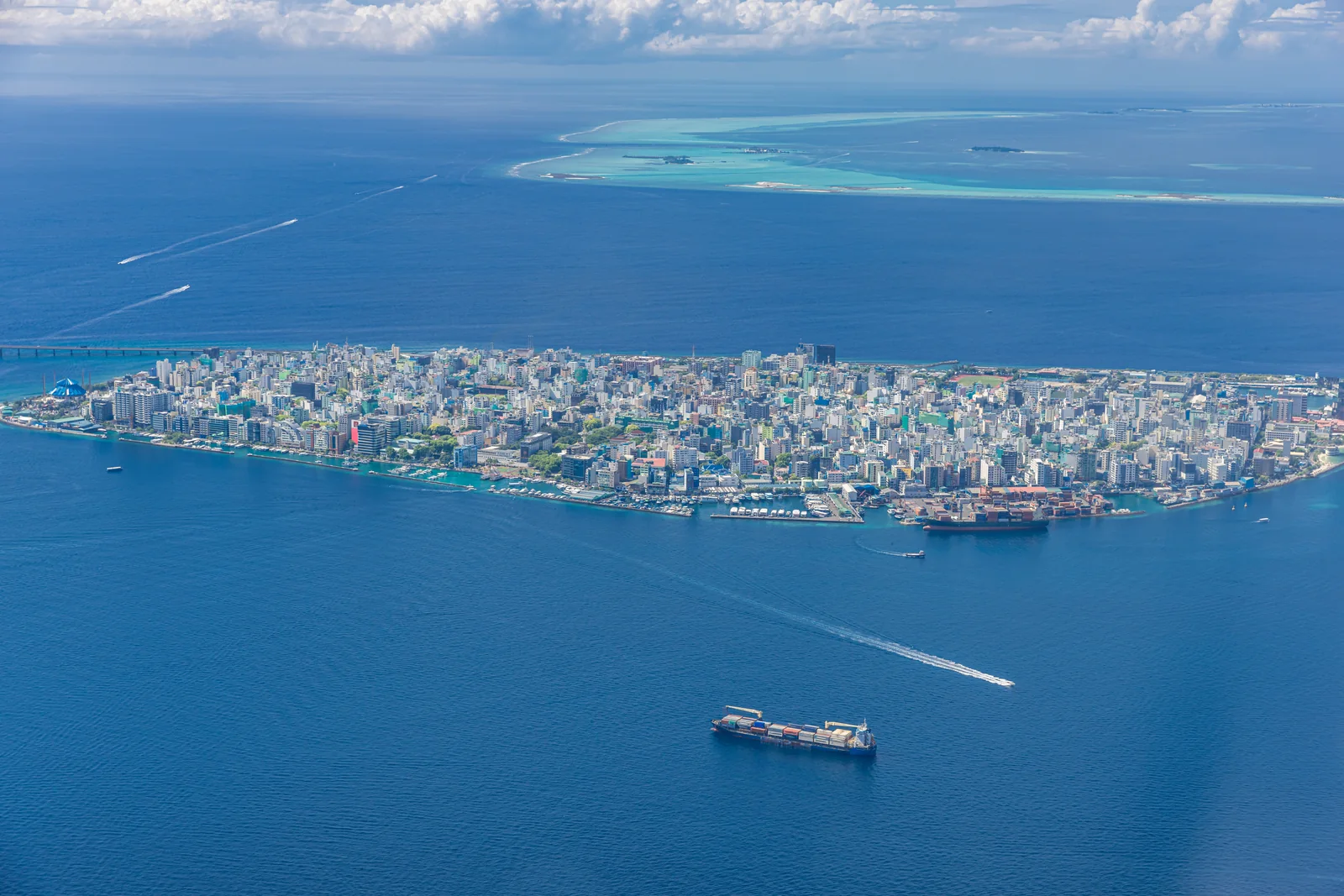
Land is a constraint
As small and densely developed islands, SIDS have limited land, especially along the coast. This calls for careful planning and efficient use of space while protecting fragile coastal ecosystems. Designs should respond to the site, use land efficiently, and minimise permanent impact on the natural environment.
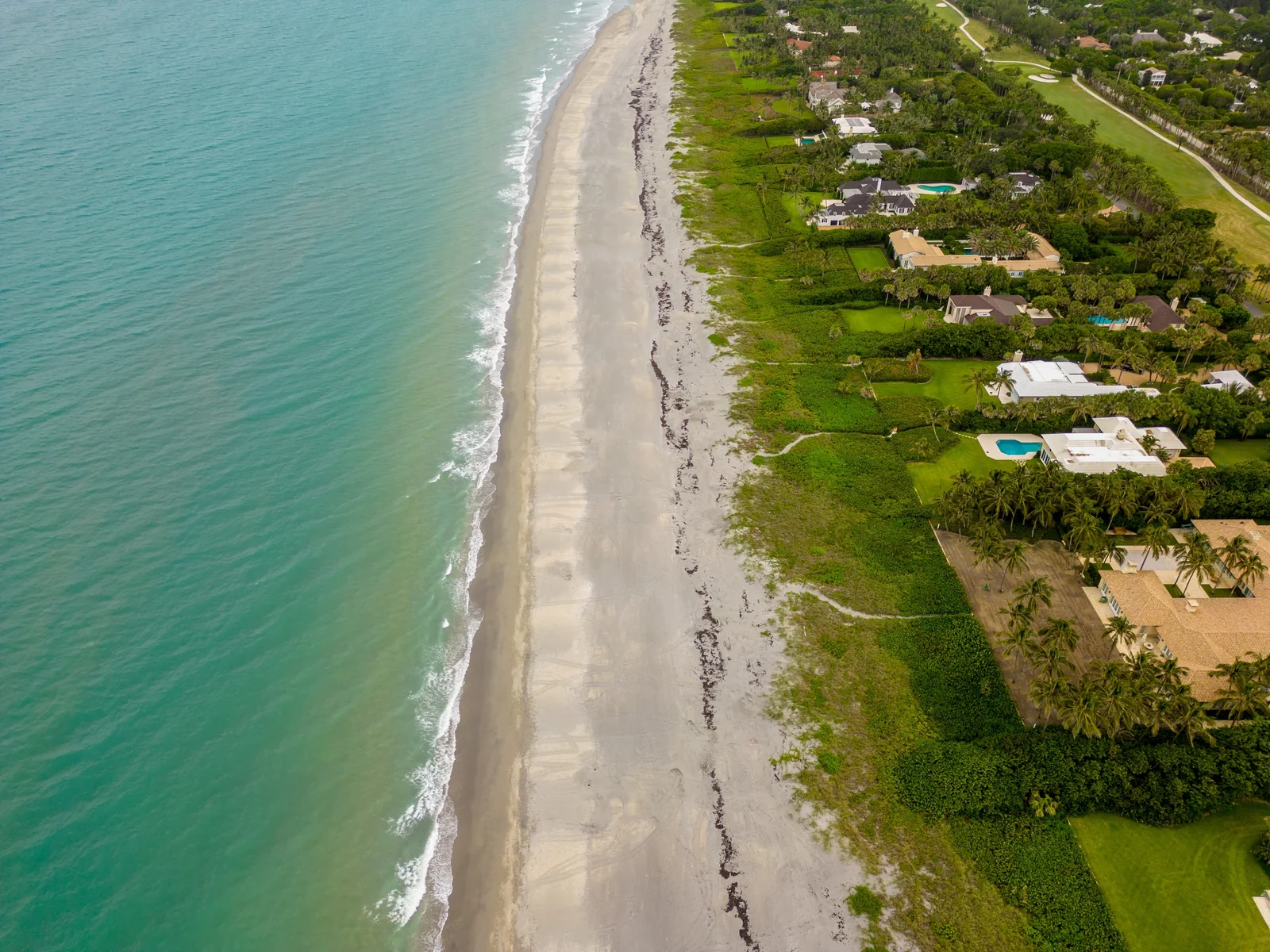
Resilience is survival
Cyclones, storm surges, coastal erosion and flooding make resilience essential to everyday life in SIDS. These islands already face significant challenges, and increasing climate risks can push survival to its limits. Infrastructure must therefore be designed to withstand climate events, keep essential functions and power running, and help communities endure, recover and adapt.
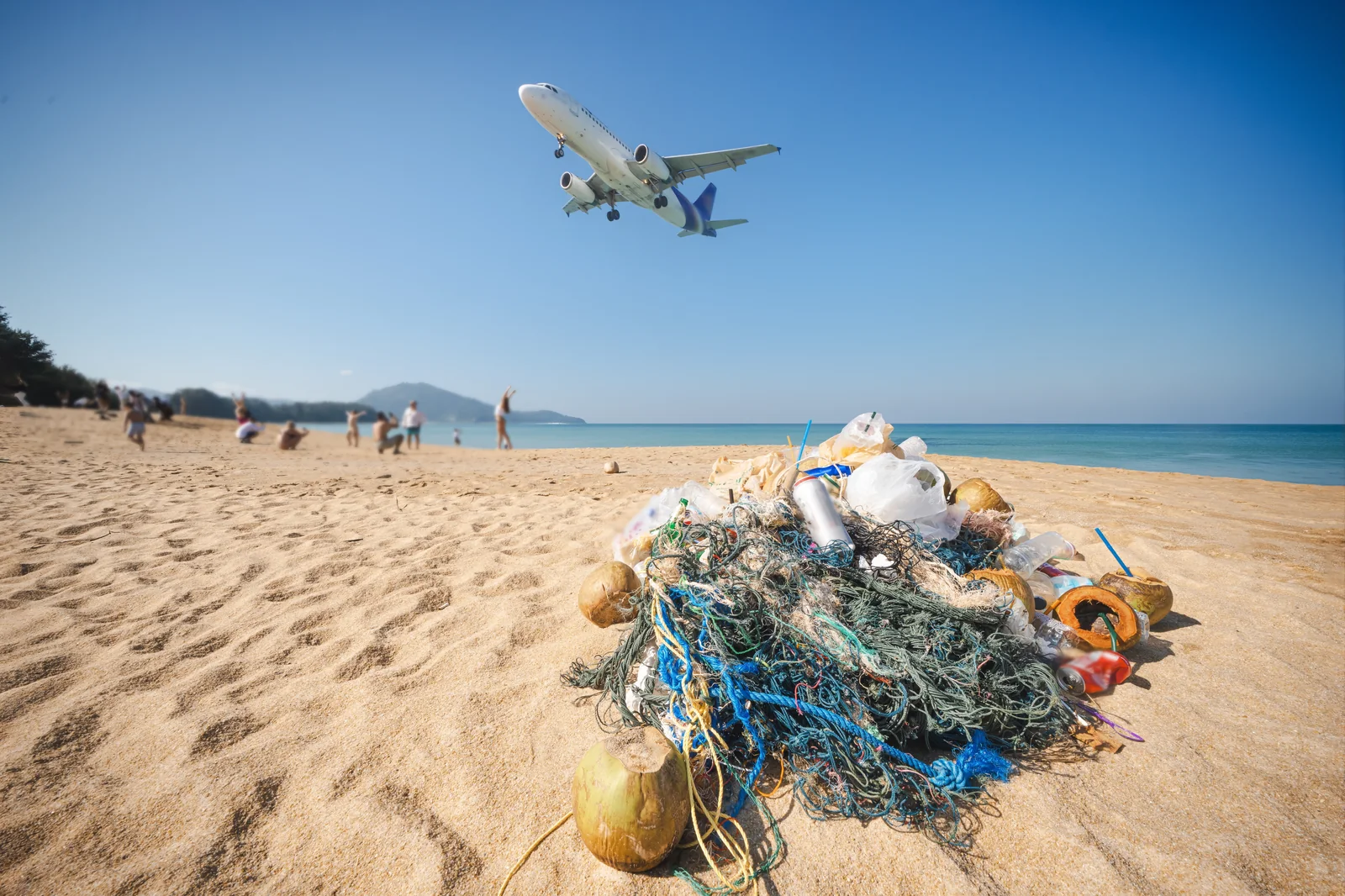
The Tourism–Climate Paradox
Tourism is amongst the largest contributors to SIDS economies, while also one of the most energy-intensive consumers. This makes the sector an ideal test ground where scalable, solar-embedded, resilient design can:
- provide thermal comfort while cutting operational costs as against conventional buildings
- strengthen the destination’s climate credentials, and
- generate a template other SIDS can adopt